Every year on 20 October, World Osteoporosis Day raises awareness of a condition that affects millions of people worldwide: osteoporosis.
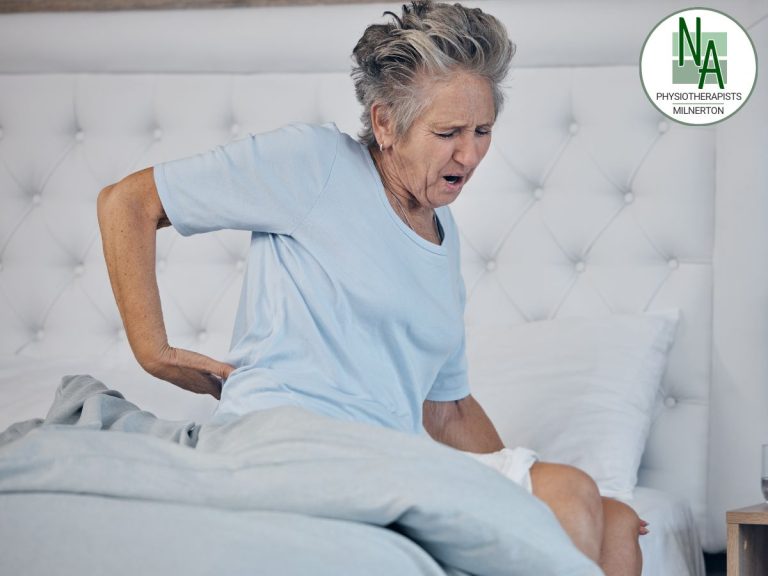
Osteoporosis is often called the silent disease because you can lose bone strength without experiencing any symptoms. Many people only discover they have osteoporosis after sustaining a fracture from a relatively minor fall or everyday activity.
As a physiotherapist, I believe one of the most important messages we can share is that looking after your bones is not just something to think about when you’re older. It’s something you can start doing today.
What is osteoporosis?
Osteoporosis occurs when bones become weaker and more fragile, increasing the risk of fractures. Although it is more common as we age, particularly after menopause, it can affect men and women at different stages of life.
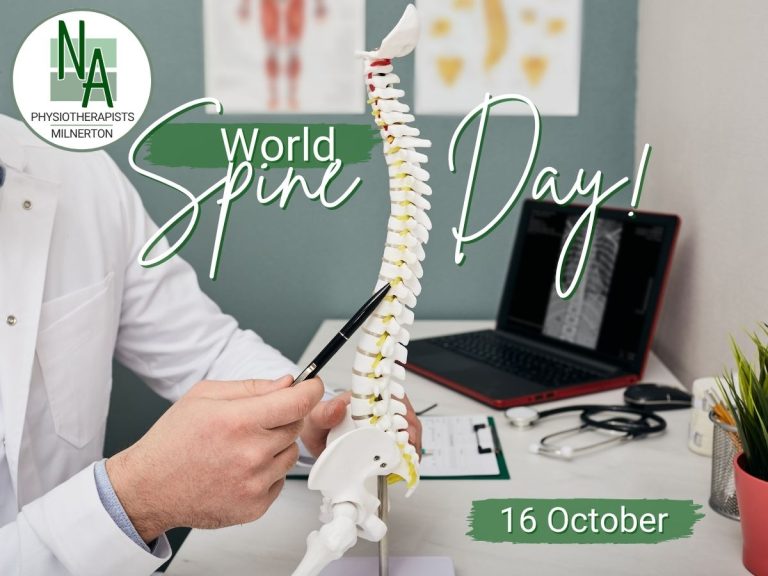
You may not realise that your bones are becoming weaker until a fracture occurs. The hips, wrists and spine are particularly vulnerable, and spinal fractures can sometimes happen during ordinary movements such as bending, lifting or reaching.
The good news is that there are steps we can take to support our bone health, reduce the risk of falls and help maintain strength and independence.
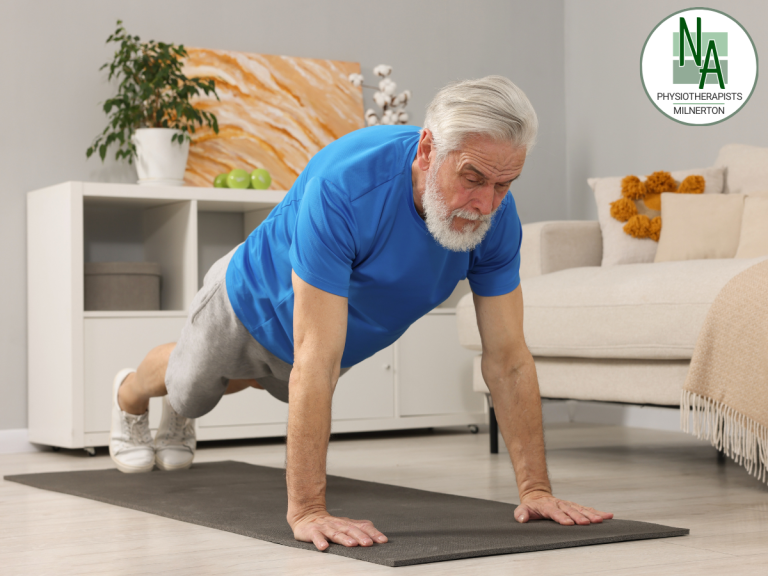
Our bones respond to the demands placed on them. Appropriate physical activity helps maintain bone strength, while exercise also strengthens the muscles that support and protect our bodies.
As a physiotherapist, I see how important movement is not only for strength and mobility, but also for confidence and quality of life.
There are several types of exercise that can help support your bone health:
1. Weight-bearing exercise: Activities such as walking, dancing and climbing stairs encourage your body to work against gravity. Depending on your bone health and fitness level, these can form part of a bone-strengthening routine.
2. Strength training: Exercises using weights, resistance bands or your own body weight help strengthen muscles and place beneficial loads on bones. A well-designed programme can also make everyday tasks, such as carrying shopping or getting up from a chair, easier.
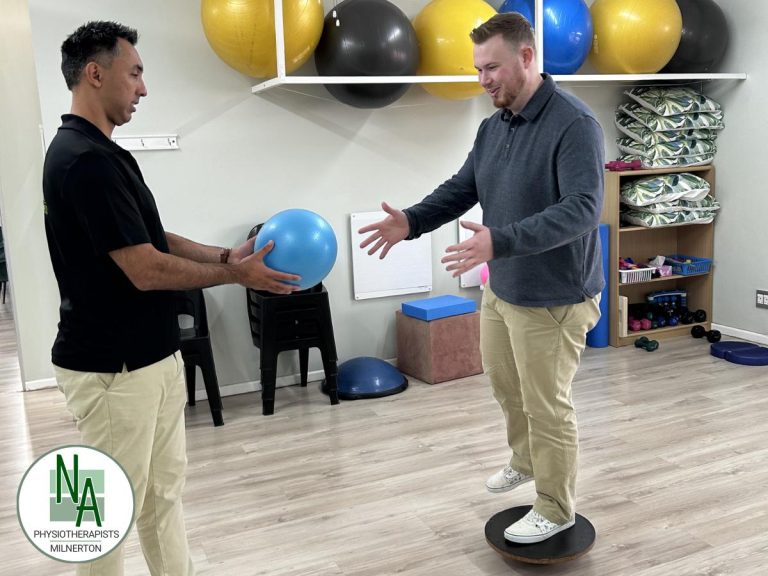
3. Balance training: Balance exercises help improve stability and reduce the risk of falls. Simple activities, appropriately adapted to your ability, can be incorporated into your daily routine.
4. Posture and spinal strengthening: Strengthening the muscles that support your spine can help improve posture, movement and function. If you have osteoporosis, particularly if you have experienced a spinal fracture, it is important to learn how to bend, lift and move safely with guidance from a suitably qualified professional.
Not every exercise is appropriate for everyone. If you have osteoporosis or have already experienced a fracture, your exercise programme should be tailored to your individual needs.
Physiotherapy cannot guarantee that you will never develop osteoporosis, but it can play an important role in protecting your physical function, supporting bone health and reducing your risk of falls and fractures.
A physiotherapist can help you:
· Improve muscle strength, balance and coordination.
· Develop a safe, personalised exercise programme.
· Improve posture and confidence with everyday movement.
· Learn safer ways to bend, lift and perform daily activities.
· Reduce your risk of falling and maintain independence.
If you have already been diagnosed with osteoporosis, physiotherapy can also help you remain active and work towards your personal goals safely.
Exercise is only one part of the picture. Your bones also need adequate nutrition and healthy lifestyle habits.
Calcium-rich foods, sufficient protein and vitamin D all contribute to bone health. Vitamin D supplementation may be appropriate for some people, depending on their individual circumstances.
Avoiding smoking, limiting alcohol consumption and maintaining regular physical activity can also support your overall health and wellbeing.
If you have concerns about your diet or nutritional needs, your doctor or a registered dietitian can provide personalised advice.
World Osteoporosis Day is a reminder that strong bones are essential throughout life. Whether you’re in your thirties, navigating menopause, staying active in retirement or recovering from a fracture, there are steps you can take to look after your body.
You don’t need to start with an intense exercise programme. Small, consistent steps, guided by your individual needs and abilities, can make a meaningful difference to your strength, balance and confidence.