Fibromyalgia is a long-term condition that affects the way the nervous system processes pain, often resulting in widespread musculoskeletal pain, persistent fatigue, poor sleep, and difficulties with memory and concentration (sometimes referred to as “fibro fog”). Although there is currently no cure, physiotherapy plays an important role in helping people manage their symptoms, improve function, and regain confidence in movement.
Living with fibromyalgia can be challenging because symptoms often fluctuate. Good days may be followed by periods where pain and fatigue become more intense, making even everyday activities feel overwhelming. This unpredictability can lead many people to avoid exercise or movement altogether. However, research consistently shows that appropriately prescribed physical activity is one of the most effective ways to improve long-term symptoms.
Understanding Fibromyalgia
Fibromyalgia is not caused by damage to the muscles or joints. Instead, it is believed to involve changes in how the brain and nervous system process pain signals, making the body more sensitive to stimuli that would not normally be painful.
Common symptoms include:
· Widespread muscle and joint pain
· Persistent fatigue
· Sleep disturbances
· Morning stiffness
· Headaches
· Difficulty concentrating or remembering information
· Increased sensitivity to touch, temperature, light, or noise
Because symptoms vary greatly between individuals, treatment should always be tailored to each person’s needs.
Physiotherapy focuses on improving movement, reducing pain, and helping people participate in daily activities without overwhelming the body’s pain response. The key is a gentle, gradual approach rather than pushing through pain.
Exercise is one of the most effective treatments for fibromyalgia, but it must be introduced carefully. High-intensity exercise can sometimes trigger symptom flare-ups, especially if started too quickly.
A physiotherapist will design an individualised programme that may include:
· Gentle stretching to improve flexibility and reduce stiffness
· Low-impact aerobic exercise such as walking, cycling, or swimming
· Light strengthening exercises to improve muscle endurance
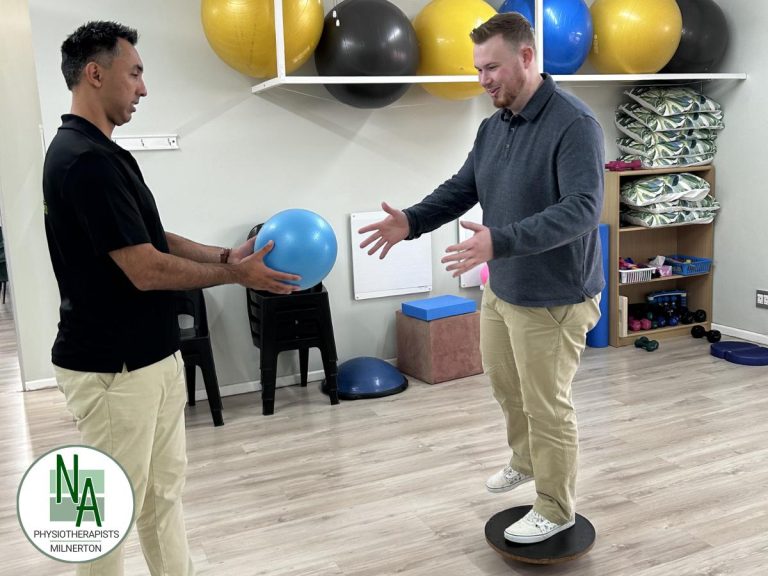
· Balance and coordination exercises where needed
The aim is to build tolerance gradually, allowing the body to adapt over time without causing excessive fatigue or pain.
One of the biggest challenges with fibromyalgia is balancing activity and rest. Many people experience a “boom and bust” cycle—doing too much on a good day, followed by several days of increased pain and exhaustion.
A physiotherapist can teach pacing strategies, helping you spread activities more evenly throughout the day and recognise your body’s limits. Learning to pace yourself can reduce flare-ups and improve consistency in daily life.
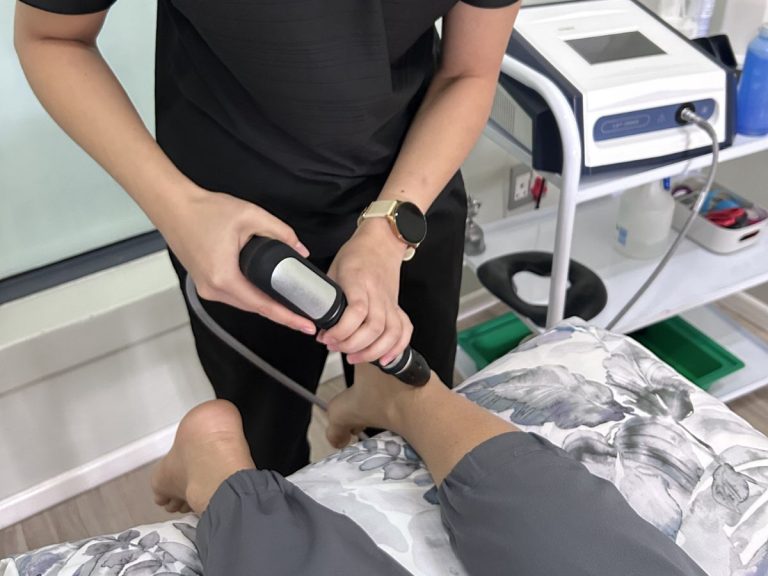
While manual therapy is not a cure for fibromyalgia, gentle hands-on techniques may help reduce muscle tension, improve relaxation, and temporarily ease discomfort. Treatment is always adapted to your comfort level, as many people with fibromyalgia are sensitive to pressure.
Breathing exercises, relaxation techniques, and posture advice may also form part of your rehabilitation programme.
Many people living with fibromyalgia become understandably fearful of movement because they associate activity with increased pain. Physiotherapy helps rebuild confidence by demonstrating that gentle, controlled movement is safe and beneficial.
Education is an important part of treatment. Understanding how fibromyalgia affects the nervous system can reduce anxiety surrounding pain and empower people to take an active role in managing their condition.
There is no one-size-fits-all treatment for fibromyalgia. Every person’s symptoms, goals, and challenges are unique. Physiotherapy provides a personalised approach that combines gentle exercise, education, pacing strategies, and supportive rehabilitation to help improve quality of life.
Although progress is often gradual, small, consistent steps can lead to meaningful improvements in pain, mobility, energy levels, and confidence. With the right guidance and a programme tailored to your individual needs, it is possible to stay active, manage symptoms more effectively, and enjoy a better quality of life despite living with fibromyalgia.