Joint Replacement Rehabilitation: Restoring Function and Confidence
Joint replacement surgery is a life-changing procedure designed to reduce pain and restore mobility for people who may be affected by severe arthritis, trauma, or degenerative joint disease. However, the success of the surgery depends not only on the surgical technique but also on the quality of post-operative rehabilitation. Physiotherapists play a crucial role in helping patients regain strength, mobility and confidence.
Early Phase: Protect, Educate, Mobilise
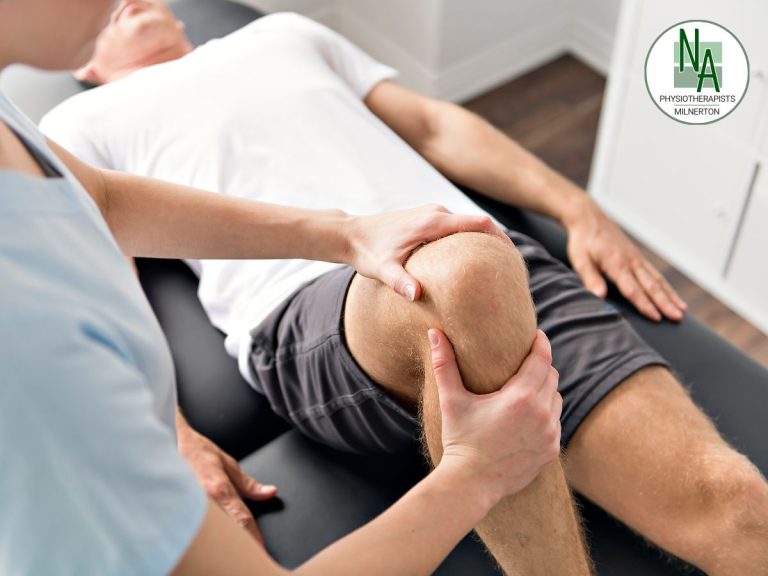
Rehabilitation begins almost immediately after surgery. In the early phase, the focus is on pain control, swelling management, and safe movement. Education is vital in this phase — patients need to understand how to prevent complications such as stiffness, infection, or blood clots. Physiotherapists teach safe techniques for getting in and out of bed, walking with assistive devices and performing gentle range-of-motion exercises.
Intermediate Phase:
Regaining Strength and Control The focus of rehabilitation now shifts toward rebuilding muscle strength and joint control. Weakness around the replaced joint is common due to pre-surgery disuse and post-surgery inhibition. Tailored exercise programs target key muscle groups. Balance and proprioception training are also important to restore stability and prevent falls. Physiotherapists continually adjust exercises to ensure patients progress safely without overloading the joint.
Late Phase:
Functional Restoration and Return to Activity Once patients achieve good range of motion and basic strength, rehabilitation becomes more task-oriented and functional. The goal is to return to everyday activities — walking longer distances, climbing stairs, driving, or resuming hobbies. Functional exercises improve coordination and endurance. Education on pacing, joint protection, and long-term exercise habits helps patients sustain their progress well beyond formal rehabilitation.
Holistic Recovery and the Role of Motivation
Successful joint replacement also involves rebuilding confidence and addressing the psychological side of rehabilitation. Many patients experience fear of movement or anxiety about damaging the new joint. A supportive physiotherapist provides reassurance, motivation, and encouragement which helps patients set realistic goals and celebrate milestones along the way.
Long-Term Outcomes
Evidence shows that patients who adhere to their rehabilitation program achieve better long-term outcomes — greater mobility, less pain, and improved quality of life. Ongoing exercise remains crucial to maintaining joint function, muscle strength, and overall health. Physiotherapists also educate patients on lifestyle factors such as weight management, posture, and safe activity choices to protect their new joint for years to come. Conclusion Joint replacement rehabilitation is a partnership between patient and physiotherapist, grounded in education, movement, and empowerment.
With structured, progressive rehabilitation and ongoing support, patients can confidently return to the activities they value most free from the pain and limitations of their old joint.