The Importance of Movement and Exercise in Older Adults
As we age, movement becomes one of the most important tools we have to maintain independence, health, and quality of life. It is common as we age, we tend to slow down because of pain, stiffness or fear of injury. Unfortunately avoiding movement often does more harm than good. From a physiotherapy perspective, regular movement and appropriate exercise are essential.
One of the most important benefits of exercise in older adults is the maintenance of muscle strength and bone health. Ageing naturally leads to muscle loss and reduced bone density, increasing the risk of falls and fractures. Strength and weight-bearing exercises help slow these changes, supporting better balance, posture, and confidence with daily activities such as walking, climbing stairs, and getting out of a chair.
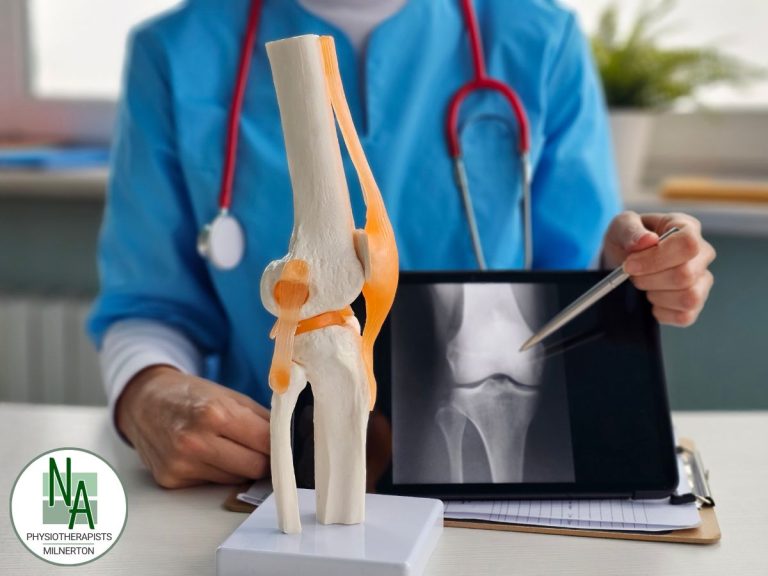
Movement also plays a key role in joint health and flexibility. Conditions like arthritis are common in the elderly and can lead to stiffness and pain. Gentle, regular movement helps to lubricate the joints, reduce stiffness, and improve range of motion. Staying still often worsens joint pain, while safe, guided exercise can ease symptoms and improve function.
Balance and coordination tend to decline with age, making falls more common. Falls are one of the leading causes of injury and loss of independence in older adults. Balance training, strength work, and functional exercises can dramatically reduce fall risk by improving reaction time, stability, and confidence. Even small improvements can make a big difference.
Exercise also benefits cardiovascular and respiratory health. Activities such as walking, cycling, swimming, or low-impact aerobics improve heart and lung function, helping older adults stay active for longer and reducing the risk of chronic diseases such as heart disease, diabetes, and stroke.
The mental and emotional benefits of movement are just as important. Regular physical activity has been shown to improve mood, reduce symptoms of anxiety and depression, and support cognitive health. Exercise can also provide social connection, whether it is in group classes, walking groups, or community programs.
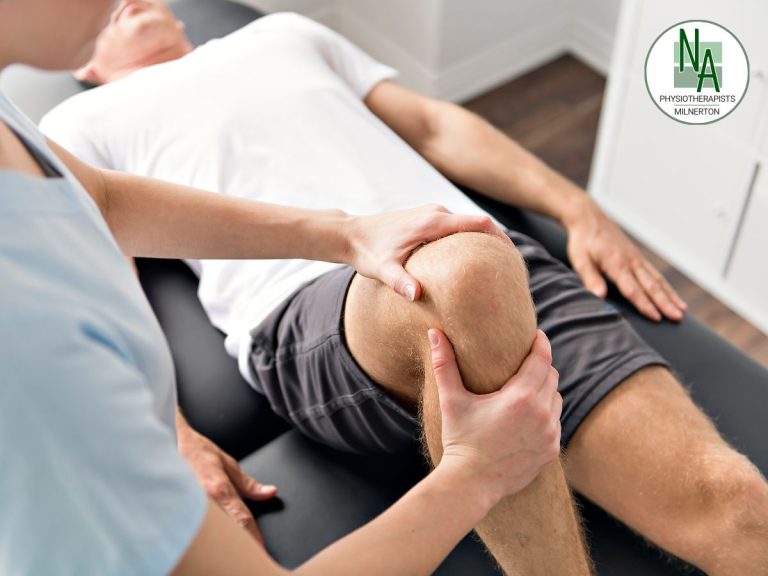
It’s important to remember that exercise doesn’t need to be intense or complicated to be effective. The best program is one that is safe, enjoyable, and tailored to the individual’s abilities and health conditions. This is where physiotherapists play a key role—guiding older adults with personalised exercise plans that promote confidence and long-term success.
In short, movement is medicine at any age. Encouraging and supporting older adults to stay active can help them move better, feel stronger, and live more independently for longer.
If you need guidance or assistance in staying active or planning exercise programmes to keep you mobile consider reaching out to our physio team!