A “Crash Course” Guide to Cycling Injuries
Road and MTB cycling are hugely popular sports with the Western Cape hosting two of the most iconic events – the Argus Cycle Tour (8 March 2026) and the Cape Epic (15-22 March 2026).
Whether you’re a casual cyclist, a regular doing events or still looking to get started, the same common problems could apply to all of you. Cycling is mostly considered a low impact activity, which suits some people more.
Firstly, road and mountain bikes look quite different. Mountain bikes tend to be heavier as the rider needs more control on tougher/uneven terrain, while the road bike is designed for aerodynamics to go faster on typically firm/flatter surfaces. Mountain bikes generally will have heavier suspensions, thicker tyres and heavier frames. The bike setup and rider position are a bit different for each bike.
We touch on a few common injuries, which are often linked to falls, training loads, bike setup and other equipment/accessories. These in turn play a role in your cycling mechanics and the effect on parts of your body with the repetition of the pedalling motion. You could typically hit 80-100 revolutions per minute.
Falls unfortunately can happen whether you’re a rookie or seasoned cyclist, and result in all kinds of injuries.
Common Injuries
· Abrasions/bruises
· Fractures/joint sprains/ strains
· Head knocks that can cause concussions or head related injuries, so properly fitted helmets are non negotiable.
Equipment
· Correct bike size and setup is crucial. All specialised bike shops offer services to assist with these decisions. Setting seat (saddle) heights/tilts and things like handlebars or foot positions for example, are all individual and not one size fits all
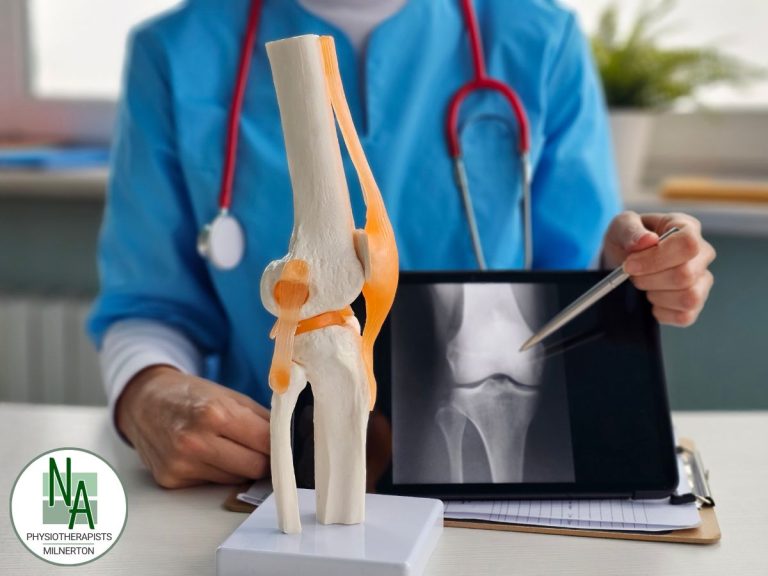
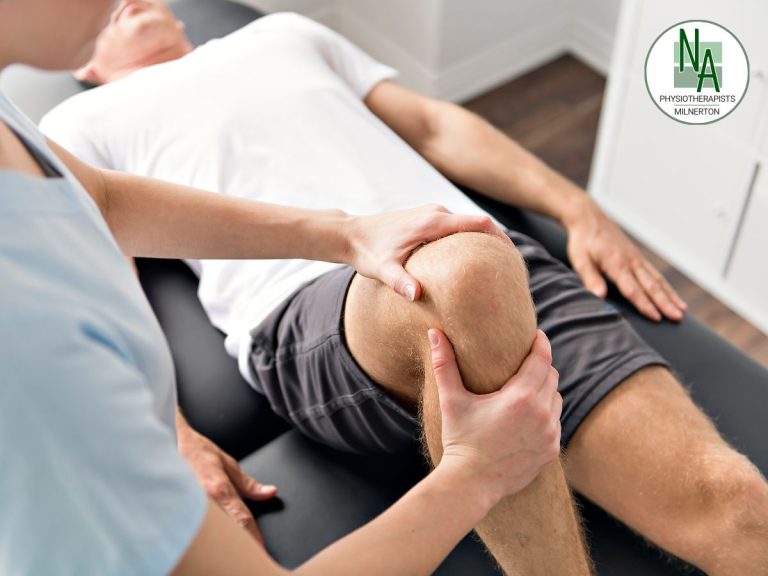
· Knee pain, often from patellofemoral femoral syndrome, can be triggered by seat height or tilt, overuse from repetitive pedalling or just pedalling mechanics.
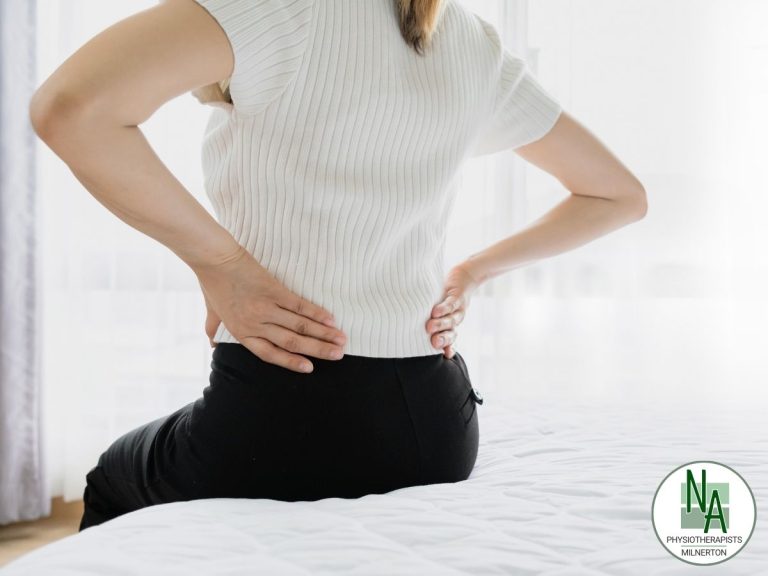
· Neck and lower back pain is mostly from prolonged forward leaning postures, where again bike setup and tight or weaker core muscles play a role.
· Achilles/calf strain is associated with load from pedalling. Incorrect shoes also create problems when the foot swells or becomes sweaty causing compression and foot numbness in a hard/tighter shoe. With older or softer shoes, the pedalling power transfer can be affected with the calf muscle then working harder than it should.
· Pins/needles or numbness in the fingers (usually the small finger side) is mostly an indication of a neuropathy. This can result from leaning too much onto the wrists/hands compressing nerves. Again, bike setup with handlebar or seat height adjustments can play a role.
Injury Prevention Tips
· Bike choice and individualised setup is key
· Cycling posture – Body position awareness
· Core and stabilising muscle retraining and endurance reduces load on muscles and joints
· Cycling Gear -Helmets, shoes, gloves, cycling tights can minimise common problems. The casual cyclist will get away with things a regular one can’t.
· Keep your bike maintained with cleaning or servicing
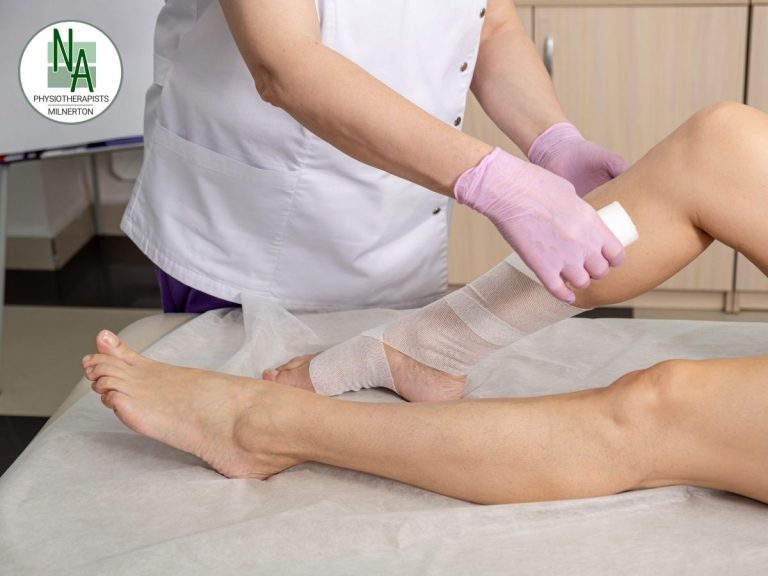
· Recovery strategies like stretching, foam rolling, taping, icing, pool sessions, massage, dry needling and compression garments can be effective in managing muscle/joint strain
· Plan realistic training programs in terms of distances, intensity and hills, especially when starting out.
Don’t leave niggles to the last minute before races or events. If pain persists for more than a few days after a ride, or your feeling sharp, shooting pains or noticeable swelling, it could be time to have a professional assessment.
Physiotherapy can assist with strategies to get you back in the saddle!