“Tennis Elbow”, also known as lateral epicondylitis is inflammation of the lateral (outside) structures of the forearm by the elbow joint whereas “Golfer’s Elbow” (medial epicondylitis) is inflammation of the medial (inside) structures. Both caused by overuse related movements and weakness in the forearm.
Tennis Elbow describes the overuse injury that overloads the extensor tensons of the forearm, mainly extensor carpi radialis. This overuse of the muscle is commonly seen with excessive computer use, heavy lifting and supination (turning the wrist to the outside). It is commonly seen is sports like squash, badminton, baseball and tennis, hence the name. this is especially true with a poor backhand form.
People with repetitive one-sided movements in their jobs like electricians, carpenters, packers and gardeners are more prone to the straining of the muscle and tendon.
The pain is often located anterior and distal to the lateral epicondyle of the elbow.
A systematic review identified 3 risk factors:
- Working with tools heavier than 1kg
- Handling loads of heavier than 20kg more than 10 times per day
- Repetitive movements for more than 2 hours per day
There are other risk factors which can contribute to increased risk: incorrect form when training, misalignment, decreased flexibility, age and muscle imbalance.
Golfers Elbow describes the overuse injury of the flexor pronator tendon of the forearm, mainly flexor carpi radialis and pronator teres. This overuse injury occurs with excessive repetitive movement like flexing the wrist and pronation (turning the wrist inwards).
Patients will mostly describe pain near the origin of the wrist flexors in the medial epicondyle of the elbow and sometimes feel pain on the ulnar side of the forearm, wrist and sometimes the fingers (funny bone down the outside of the forearm to the pinkie).
Activities that can cause Golfer’s Elbow include golf, pitching a baseball, using a chainsaw and lifting heavy objects. It is less common than tennis elbow and, in most cases, does not involve athletes as the chronic repetitive loading of the wrist flexors and pronators are commonly seen in occupations like carpentry, butchers and plumbing.
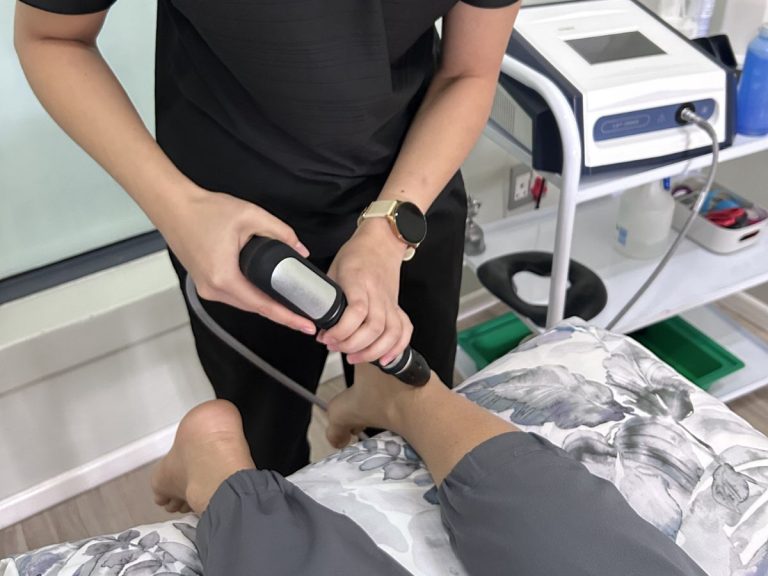
Popular treatment includes rest, anti-inflammatories in the short term, bracing and immobilization. Physiotherapy intervention includes soft tissue mobilizations, advice on modifications of the activities causing the injury, ultrasound, shockwave, needling, strapping and exercise to strengthen.
If you have any of these symptoms or require treatment, get in touch and book a physio appointment!